
I recently had a conversation with someone whose life had changed dramatically through an experience that most of us could hardly imagine.
She had survived what should have been unsurvivable. She had rebuilt her life after losing abilities she had once taken for granted. Along the way, she had also discovered spiritual gifts, a deeper connection to the Unseen World and a story capable of bringing hope to many people.
Yet despite everything she had overcome and everything she had become, part of her was still measuring herself against the person she used to be.
She could see what she had lost more easily than she could recognize what she had gained.
As we spoke, I began to realize how many of us do the same thing.
We judge who we are today using standards that were created for an earlier version of ourselves. We compare our present abilities, appearance, energy, confidence or accomplishments with who we were ten, twenty or thirty years ago. We measure ourselves against what our family taught us to value, what society considers successful or what other people expect us to be.
And when we no longer match those old standards, we assume that something has gone wrong.
But what if nothing has gone wrong?
What if life has been helping us become someone different?
When the Old Measurement No Longer Fits
Most of us develop a particular way of measuring our value very early in life.
We may learn that being intelligent makes us worthy. Perhaps we are praised for being attractive, productive, responsible, agreeable or successful. We may become known as the strong one, the capable one, the provider, the peacemaker or the person who always has the answers.
These qualities are not necessarily bad. Many of them help us build our lives and navigate the world.
The difficulty begins when we confuse the qualities we developed with the fullness of who we are.
But then life changes.
We age. Our bodies slow down. Our priorities shift. A career ends. A relationship changes. Children leave home. Illness or loss interrupts the life we thought we were living. A spiritual awakening causes us to question beliefs and identities that once felt certain.
We become different, but the internal measurement remains the same.
We may still believe we should have the same energy, ambition or mental sharpness we had years ago. We may judge ourselves for no longer wanting what we once wanted. We may consider ourselves less successful because our life has become quieter, even though it may also have become more meaningful.
Sometimes we are not suffering because of who we have become.
We are suffering because we continue to judge who we have become by who we used to be.
The Gifts That Can Only Emerge Through Change
Every significant experience changes us.
Some changes are welcome. Others arrive through circumstances we would never have consciously chosen. But even the most difficult experiences can reveal parts of us that might otherwise have remained hidden.
We may discover courage because life required us to be courageous.
We may develop compassion because we know what it feels like to suffer.
We may become more intuitive because the thinking mind can no longer provide all the answers.
We may learn to trust Spirit because everything we once depended upon has fallen away.
We may find our voice because remaining silent has become more painful than being seen.
These gifts are not consolation prizes. They are not inferior replacements for what we lost. They are expressions of who we are becoming and maybe who we were meant to be.
Yet we frequently overlook them because they cannot be measured in the same way as our former abilities.
Society knows how to measure income, productivity, intelligence, appearance, popularity and achievement. It has far more difficulty measuring wisdom, presence, intuition, resilience, compassion or spiritual connection.
As a result, we may continue revering the gifts the world recognizes while dismissing the gifts our life has actually given us.
We notice that we cannot do everything we once did. But we fail to notice that we now understand things we could not have understood before.
Authenticity Requires More Than Knowing Who You Are
We often speak about finding our authentic self as though it is a single discovery.
We imagine that somewhere beneath all our conditioning is one permanent version of us waiting to be uncovered.
But I have come to believe that authenticity continues to evolve.
The authentic self I expressed during my years in business was not exactly the same self that emerged when I left that world and began following a spiritual path. The person I was at fifty is not the person I am in my seventies. My values have changed. My gifts have changed. My understanding of success has changed. What I feel called to contribute has changed.
That does not make the earlier versions of me false.
They were part of my journey.
Authenticity does not require us to reject who we were. It asks us to stop demanding that we remain who we were, or who society expects us to be.
Life keeps revealing more of us.
The question is whether we are willing to meet the person who is emerging.

Why Being Ourselves Can Feel Dangerous
Recognizing our authentic gifts is not always comfortable.
Many of us were taught to be modest, to avoid drawing attention to ourselves and not to think too highly of who we are. Some were taught to be seen and not heard. Others learned that belonging depended upon staying agreeable, predictable or quiet.
Even when we discover something powerful within ourselves, the old conditioning may still whisper:
Who do you think you are?
What will people think?
What if they judge you?
What if they no longer accept you?
What if acknowledging your gifts makes you appear arrogant?
These fears are not imaginary.
Sometimes becoming more authentic does change our relationships. People who were comfortable with an earlier version of us may not understand who we are becoming. Some may resist our changing beliefs, our growing confidence or our willingness to speak openly about what we experience.
That is one of the real costs of authenticity.
We cannot guarantee that everyone who accepted the old version of us will embrace the new one.
But continually abandoning ourselves in order to preserve belonging also has a cost.
Eventually, we have to decide whether we are willing to disappoint other people rather than continue disappointing our own Soul.
Becoming Comfortable With Who You Are Now
Perhaps many of us do not need to discover more gifts.
Perhaps we need to become more comfortable with the gifts that have already appeared.
We may need to stop apologizing for our sensitivity.
Stop dismissing our intuition.
Stop hiding the depth of what we believe.
Stop judging ourselves because our path does not resemble the path of those around us.
Stop measuring our present life against a past identity that no longer reflects who we are.
This does not mean we stop growing or become unwilling to improve. It means our growth is no longer driven by the belief that who we are today is inadequate.
We can still strengthen our abilities, heal old wounds and develop greater confidence. But we do so while honouring the person standing here now.
Not the person we once were.
Not the person society says we should be.
Not the person other people find easiest to understand.
The person we have become through everything we have lived.
Perhaps the question is no longer whether you are as capable, successful, confident or recognizable.
Perhaps the question is whether you are willing to honour the wisdom, gifts and authentic truth that could only have emerged through everything you have experienced.
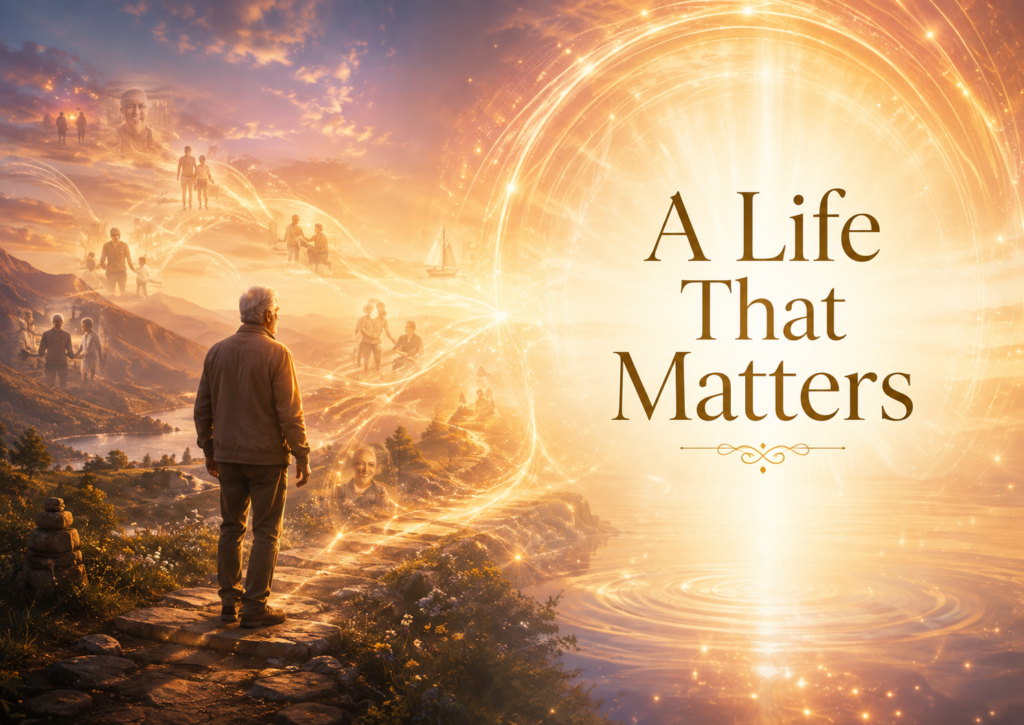
Life may not be asking you to return to who you were.
It may be asking you to become comfortable enough with who you are now that the gifts within you can finally be fully expressed.
Activate the Wisdom
Take a quiet moment and consider the standards you are currently using to judge yourself.
Are they based on who you are now, or on a previous version of you?
Notice the qualities, abilities or roles you once depended upon to feel valuable. Honour how they served you, but ask whether they still reflect what matters most in your life today.
Then consider what has emerged through the experiences that changed you.
What wisdom do you now carry?
What new gifts have developed?
What are you able to feel, see or understand today that you could not have understood before?
Finally, ask yourself:
What part of my authentic self am I still afraid to fully acknowledge?
You do not need to announce your gifts to the world or convince anyone that they are real.
Begin by allowing yourself to recognize them.
Become comfortable with them.
Trust why they have been given to you.
And when the opportunity arises, allow them to move through you in service to someone else.
August 5, 2026